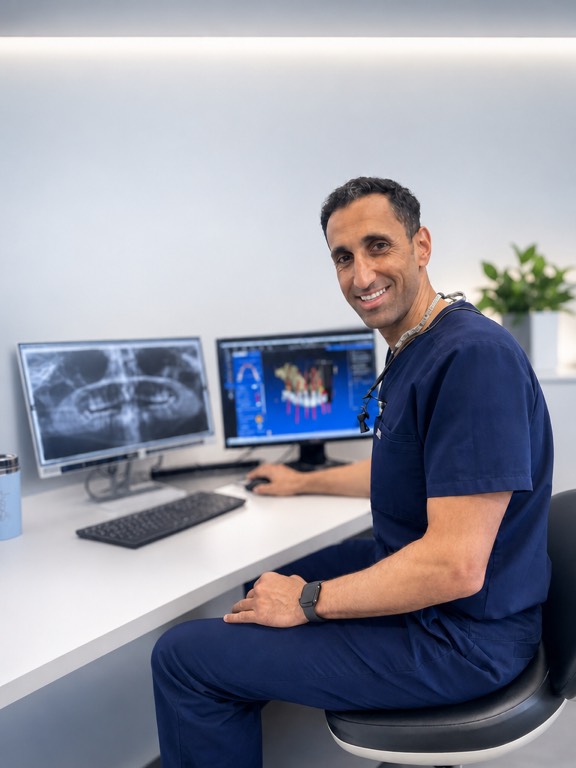
Dental implants
From replacing a single missing tooth to restoring a full arch, implant treatment is carefully planned around your individual needs, with a focus on predictable results, long-term function and a natural appearance.
- MSc, Implants Dental Implants, University of Manchester
- ITI member International Team for Implantology
- Single to full arch Including grafting and sinus lifts
- CBCT on site Three-dimensional imaging and planning, where it is needed
What is a dental implant?
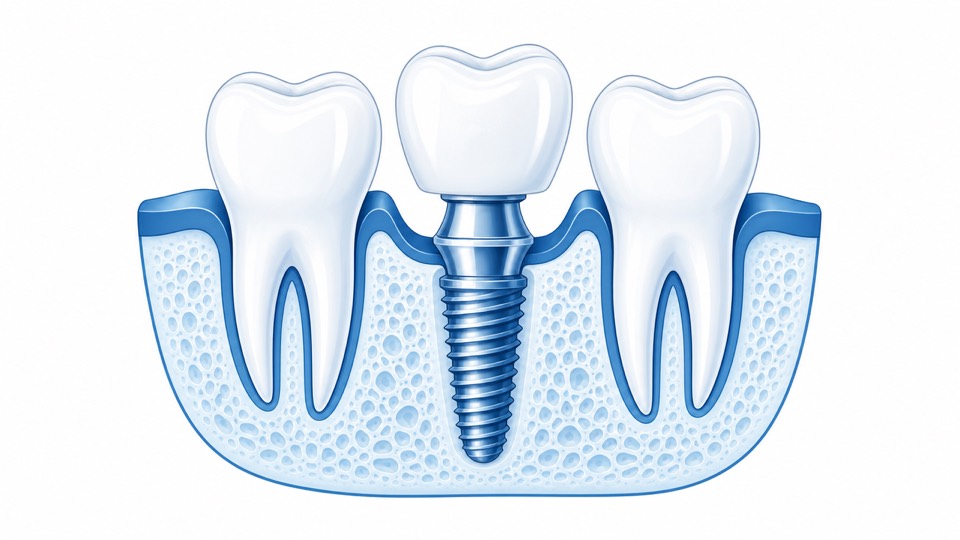
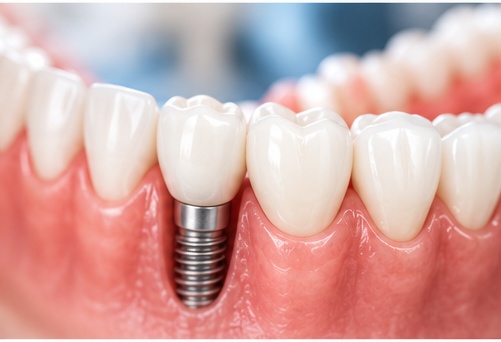
A dental implant is a small titanium post placed into the jawbone to replace the root of a missing tooth. Over time, the bone naturally bonds with the implant (a process called osseointegration), creating a strong and stable foundation for a crown, bridge or fixed set of teeth.
Unlike a conventional bridge, an implant is supported directly by the jawbone rather than by the teeth next to it. This means the healthy neighbouring teeth can usually be left unaffected while the missing tooth is replaced independently.
From single tooth replacement to full-mouth rehabilitation
We provide the full range of implant treatment, from single tooth replacement to full-arch rehabilitation. Every patient receives a careful assessment and a treatment plan tailored to their individual needs.
Single-tooth implants
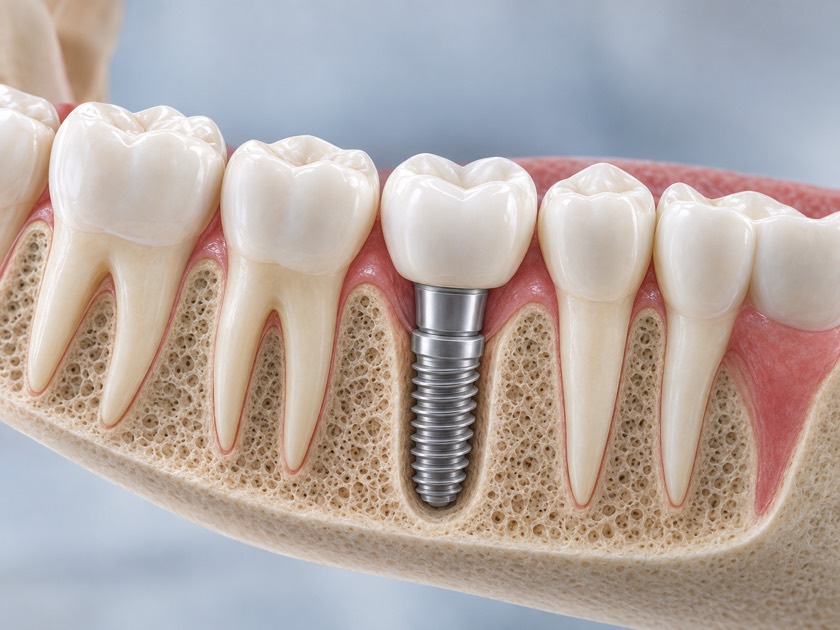
Where one tooth is missing or beyond saving, an implant replaces it without cutting down the teeth either side, which a conventional bridge would require. The sequence is usually:
- Assessment and planning. Examination, X-rays and, where useful, a cone beam CT scan to measure the bone available and map nearby structures.
- Placement. The implant is placed under local anaesthetic, generally a shorter and more comfortable appointment than people expect.
- Healing. Several months while the bone integrates with the implant. A temporary tooth can usually be provided for the gap in the meantime.
- The crown. Impressions or a digital scan are taken and the final crown is made and fitted.
Where a tooth still needs removing, it is sometimes possible to place the implant at the same appointment. Whether that applies to you depends on infection, the condition of the socket and the bone around it.
Full-arch reconstruction
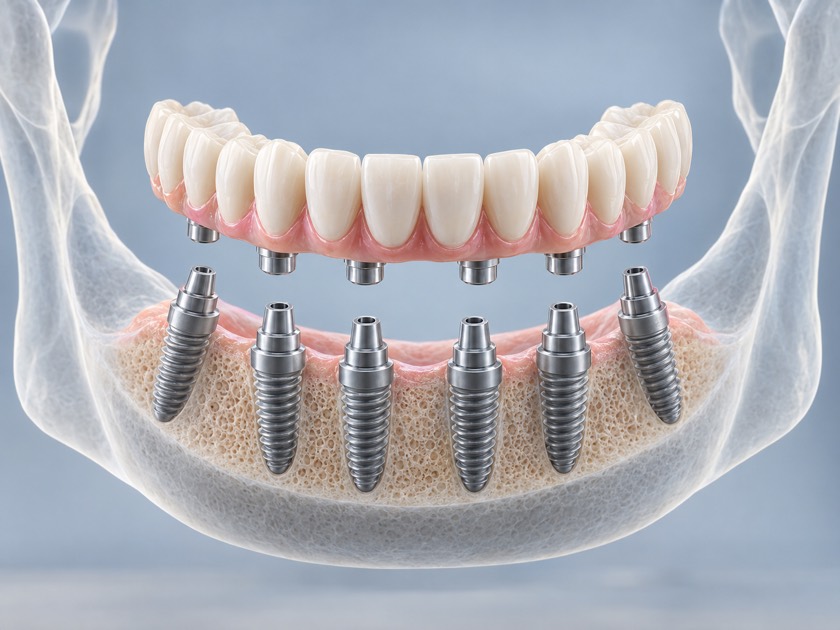
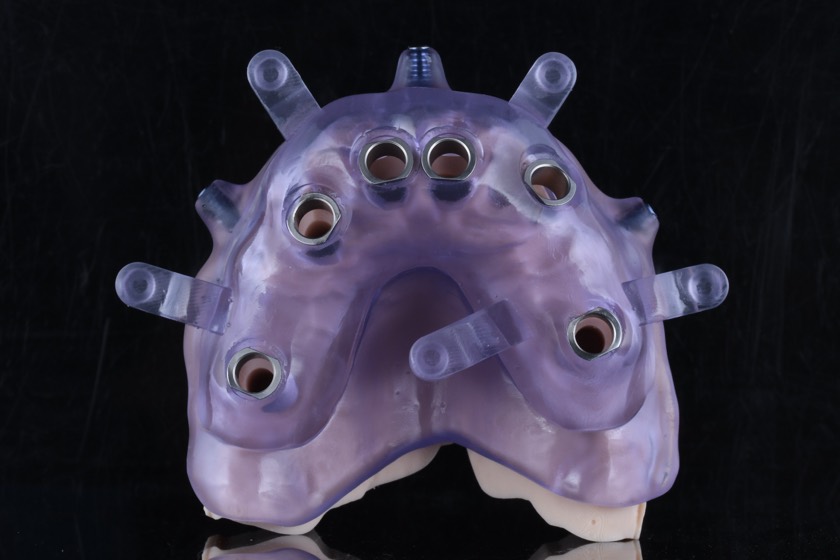
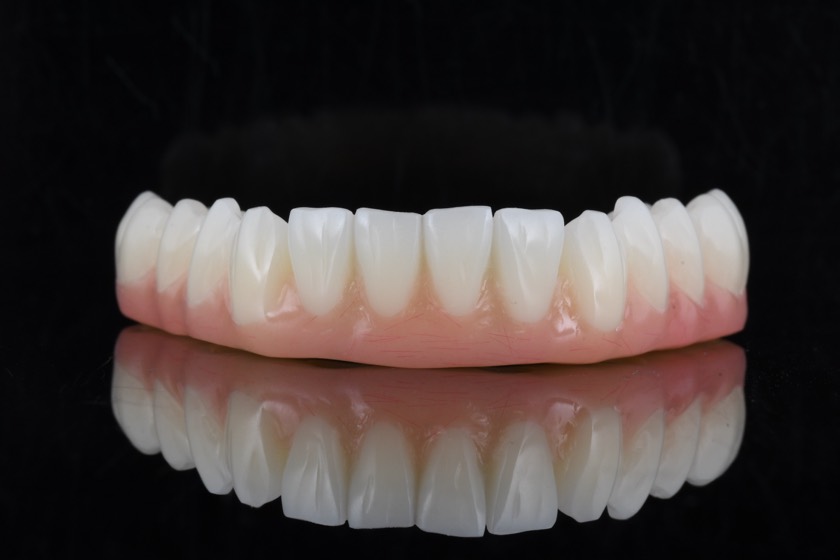
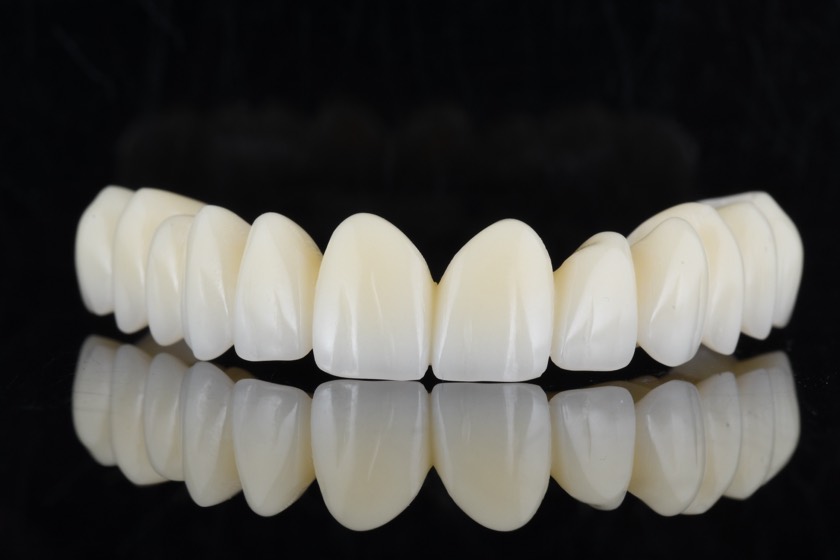
When most or all of the teeth in a jaw are missing or failing, a small number of implants — usually four to six — can be positioned to support a single fixed bridge spanning the whole arch. You may have seen this described elsewhere as All-on-4-style treatment; the principle is that angling the rear implants makes use of the bone that is available, often avoiding more extensive grafting.
Compared with a conventional denture, a fixed full-arch bridge is held by the implants rather than resting on the gum, so it does not need adhesive and does not move when eating or speaking. It is a significant undertaking in planning, cost and surgical time, and it is not the right answer for everyone.
What determines suitability is the bone available, the health of the remaining tissues, your medical history and your own priorities. That conversation belongs in a consultation, with your imaging in front of you.
When there is not enough bone
After a tooth is lost, the bone that once supported it can gradually reduce in height and width. If there is not enough bone to support a dental implant securely, this does not necessarily mean that implant treatment is not possible. In many cases, the missing bone can be rebuilt.
Bone grafting is used to restore bone where additional width or height is needed for implant placement. In the upper back jaw, where the sinus can limit the amount of available bone, a sinus lift may be recommended. This gently creates additional space beneath the sinus, where graft material can be placed to provide the support needed for an implant.
Depending on your individual situation, grafting may be carried out at the same time as implant placement or as a separate procedure beforehand, allowing time for the graft to heal and mature.
The amount of available bone is assessed using 3D CBCT imaging, available on site, allowing treatment to be planned accurately. Sherif routinely carries out bone grafting and sinus lift procedures as part of dental implant treatment, so being told you have limited bone does not necessarily rule out implants — it may simply mean that an additional stage of treatment is needed. More on grafting.
Implant questions
How long does the whole process take?
For a straightforward single implant, most cases run three to six months from placement to final crown. That gap is the healing period during which bone fuses to the implant. Cases involving grafting or a sinus lift take longer, because the graft is given time to mature first. You will be given an expected timeline for your own case at the planning stage.
Is having a dental implant painful?
Dental implant placement is carried out under local anaesthetic, so the area is fully numb during the procedure. Most patients are pleasantly surprised by how manageable the recovery is. Some discomfort, swelling or tenderness is normal for the first few days, but this can usually be managed with standard pain relief and gradually settles as the area heals.
How long do implants last?
Implants are a long-term option rather than a guaranteed permanent one. Long-term studies report high survival rates at ten years and beyond, but that depends on gum health, day-to-day cleaning, smoking, general health and attending reviews. The crown or bridge on top may need maintenance or replacing over the years even where the implant itself remains sound.
I have been told I do not have enough bone. Can I still have dental implants?
In many cases, yes. Bone grafting and sinus lift procedures can rebuild or increase the available bone to make dental implant treatment possible.
A 3D CBCT scan allows Sherif to assess the amount of bone you have and determine what options are available. Grafting can add an extra stage and some additional healing time, but being told previously that you do not have enough bone does not necessarily mean implants are not possible.
Can I smoke and still have dental implants?
Smoking does not automatically mean you cannot have dental implants, but it can increase the risk of problems with healing and affect the long-term health of the implant and surrounding bone.
Stopping smoking, particularly before treatment and during the healing period, can help improve the chances of successful implant treatment.
Will my dental implant look like a natural tooth?
The aim is for your implant tooth to blend naturally with the teeth around it. The colour, shape and proportions of the final crown are carefully considered to achieve a natural-looking result.
Replacing a front tooth can be more complex, as the position of the gum and the surrounding tissues are particularly important to the final appearance. If there are any factors that may affect the aesthetic result, these will be identified and discussed with you during the planning stage so you know what can realistically be achieved.
How much does dental implant treatment cost?
The cost of dental implant treatment varies depending on your individual needs, including the number of implants required, the type of final restoration and whether procedures such as bone grafting or a sinus lift are needed.
Following your consultation, you will receive a clear, itemised treatment plan outlining the recommended treatment and associated costs.
Explore your dental implant options
A consultation will help determine whether dental implants are right for you, what treatment would involve and the likely timescale. You will receive a clear, personalised treatment plan, giving you time to consider your options.